
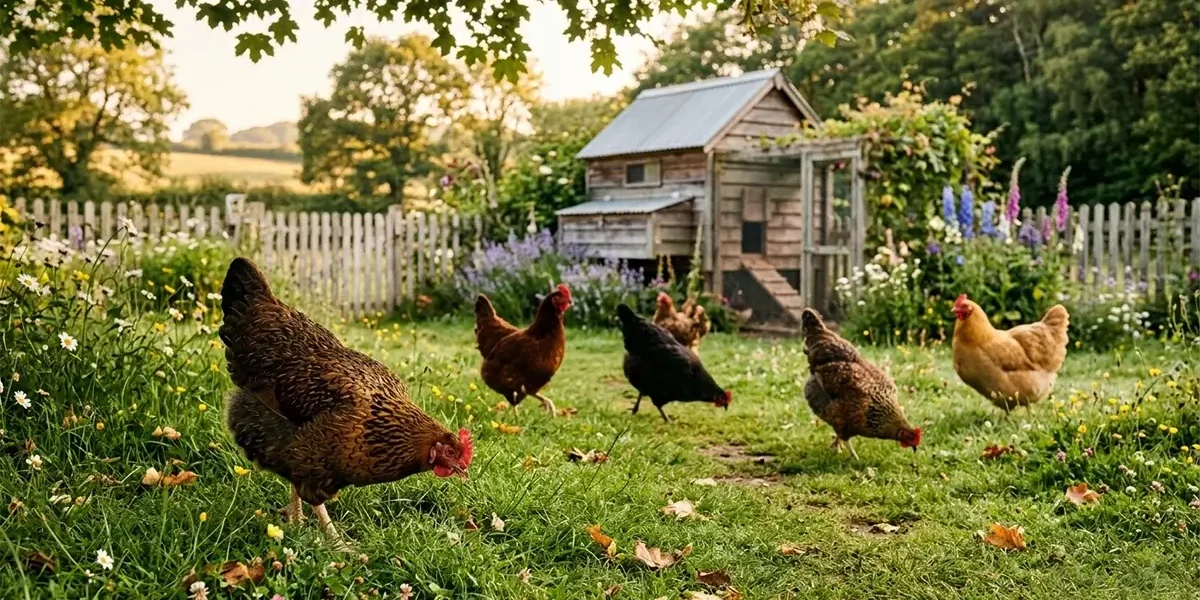
Starting a backyard chicken flock is one of the most rewarding things you can do as a homesteader. Fresh eggs every morning, natural pest control in the garden, and the quiet satisfaction of knowing exactly where your food comes from — it all starts with a few good hens and a solid plan. This guide covers everything a first-time chicken keeper needs to know, from choosing your breeds to collecting your first egg.
Why Raise Backyard Chickens?
Chickens are the gateway animal of homesteading for good reason. They are low-cost to start, inexpensive to feed, easy to manage even for complete beginners, and they deliver immediate, tangible rewards in the form of fresh eggs. A small flock of six hens can produce four to five eggs per day during peak laying season — more than enough to feed a family and share with neighbors.
Beyond eggs, chickens provide valuable manure for the garden, eat kitchen scraps and reduce food waste, and naturally control insects and grubs across your property. If you are raising meat birds, a small flock can also put meaningful protein in your freezer for a fraction of the cost of store-bought chicken.
How Many Chickens Do You Actually Need?
Before you buy a single chick, decide how many eggs your household actually uses per week. The average laying hen produces roughly 250 to 300 eggs per year during her peak laying years — about 4 to 6 eggs per week per hen depending on the breed and season. For a family of four that eats eggs regularly, a flock of 4 to 6 hens is a great starting point. You will have enough eggs for daily use plus a surplus to share or sell. Resist the temptation to start too big — beginners who jump straight to 20 chickens often get overwhelmed quickly. Start small, learn the rhythms, then expand.
Choosing the Right Chicken Breeds for Beginners
Not all chickens are equal. Some breeds are prolific layers, some are better for meat, and some are docile and easy to handle while others are flighty and hard to manage. For most backyard homesteaders focused on egg production, these are the top beginner-friendly breeds:
Rhode Island Red
One of the most popular backyard breeds in America. Rhode Island Reds are hardy in cold and warm climates, lay 250 to 300 large brown eggs per year, and have calm temperaments. They are forgiving for beginners and rarely go broody, which means they stay focused on laying rather than sitting on eggs.
Plymouth Rock (Barred Rock)
Barred Rocks are dual-purpose birds — good for both eggs and meat — and are known for their docile, friendly personalities. They lay around 200 to 280 large brown eggs per year and handle cold winters well. They are an excellent choice for families with children who want to interact with their flock.
Buff Orpington
If you want a gentle, friendly chicken that your kids can pick up easily, Buff Orpingtons are the answer. They lay around 200 to 280 light brown eggs per year and are extremely cold-hardy. They do tend to go broody, which can temporarily slow egg production, but many homesteaders appreciate their mothering instincts for hatching eggs naturally.
Australorp
The Australorp holds the world record for egg production — one hen once laid 364 eggs in 365 days. Under normal conditions you can expect 250 to 300 large light-brown eggs per year. They are quiet, gentle, and adapt well to both confinement and free-range environments.
Easter Egger
If you want colorful eggs — blue, green, pink, or olive — Easter Eggers are a fun choice. They are not a recognized breed but are extremely popular for their colored eggs and hardy constitutions. Egg production runs around 200 per year, but the novelty factor is high, especially if you have children.
Setting Up Your Chicken Coop
Your coop is the most important investment you will make for your flock. A good coop keeps your chickens safe from predators, dry in wet weather, and ventilated in summer heat.
Space Requirements
The minimum space inside a coop is 4 square feet per chicken for standard-sized breeds. For the outdoor run, plan at least 10 square feet per bird. More space is always better — overcrowding leads to stress, pecking, and disease. If your chickens will be free-range during the day, a smaller coop is acceptable as long as all birds can roost comfortably at night.
Ventilation
Proper ventilation is the single most important factor in coop design that beginners underestimate. Chickens produce a tremendous amount of moisture and ammonia through their droppings and breathing. Without adequate airflow, respiratory disease spreads rapidly. Install vents near the roofline that allow air movement without creating cold drafts directly on roosting birds.
Roosting Bars
Chickens instinctively want to roost off the ground at night. Provide at least 8 to 10 inches of roosting bar space per bird. Round or slightly squared bars about 2 inches in diameter are comfortable for chicken feet. Position roosts at least 18 inches off the ground, higher than your nesting boxes to discourage sleeping in the nests.
Nesting Boxes
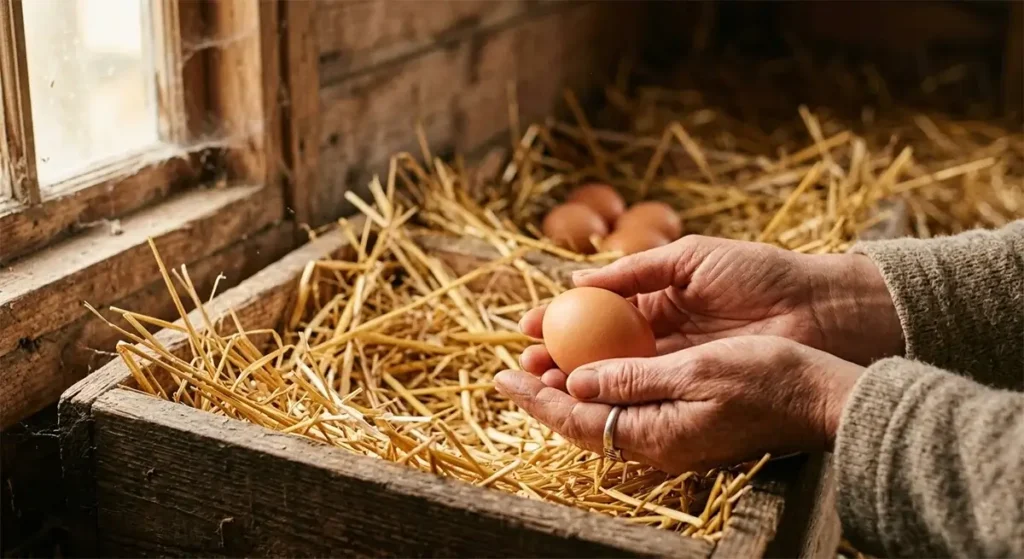
Provide one nesting box for every 3 to 4 hens. Standard boxes should be about 12 inches square and filled with clean straw or wood shavings. Hens prefer a slightly dark, enclosed space to lay. Collect eggs at least once daily to keep them clean and discourage broodiness.
Predator Protection
Predators are the number one cause of flock loss for backyard chicken keepers. Common chicken predators in the United States include raccoons, foxes, coyotes, hawks, owls, opossums, and weasels. Use hardware cloth with a minimum 1/2-inch mesh for all walls and floor of your run — not chicken wire, which is too weak. Bury the wire at least 12 inches into the ground to prevent digging predators. Always lock your chickens in the coop at night — this is when most attacks happen.
Feeding Your Chickens
A balanced commercial layer feed should form the foundation of your flock’s diet. Layer pellets or crumbles are formulated with the protein (16 to 18%), calcium, and vitamins that laying hens need. Do not feed layer feed to chicks under 16 weeks — they need chick starter (20 to 22% protein) instead, as the high calcium in layer feed can damage young kidneys.
Chickens also benefit from free-choice oyster shell, which provides extra calcium for strong eggshells. Grit — small stones that help the gizzard grind food — is essential for chickens that eat whole grains or forage. Chickens love kitchen scraps including vegetable trimmings, fruit, cooked grains, and leafy greens. According to the USDA National Agricultural Library, pasture-raised poultry with access to diverse forage produce eggs with higher omega-3 fatty acid content and more vibrant yolks than conventionally housed birds.
Water: The Most Critical Input
Fresh, clean water is the single most important input for a productive laying flock. A laying hen drinks roughly half a pint to a full pint of water per day depending on temperature and body size. In hot summer weather, that amount can double. Dehydration causes a rapid drop in egg production — even a few hours without water on a hot day can cause hens to stop laying for days afterward. Use waterers that hold at least one gallon per five birds, clean them at least twice per week, and in winter use a heated waterer or water-base heater to prevent freezing.
Understanding the Laying Cycle
Most hens begin laying between 18 and 24 weeks of age depending on breed. Egg production peaks in the first two years, then gradually declines each year. Hens also naturally reduce or stop laying during winter months when day length drops below 14 hours — they need light to trigger the hormonal response that causes ovulation. Many homesteaders add a simple light bulb on a timer to extend artificial daylight to 14 to 16 hours and maintain winter production. The annual molt — when hens lose and regrow their feathers — also causes a temporary laying pause, typically in fall. During the molt, increase protein in the diet to support feather regrowth.
Common Chicken Health Issues to Know
Healthy chickens are active, alert, have bright red combs, clear eyes, and smooth feathers. Warning signs include lethargy, fluffed feathers, swollen eyes, labored breathing, or sudden drop in egg production. The most common health issues for backyard flocks include respiratory infections (caused by Mycoplasma or Newcastle disease), coccidiosis (a parasitic intestinal disease common in young chicks), mites and lice, and egg binding. The Penn State Extension Poultry Program offers excellent free resources on flock health management, disease identification, and biosecurity practices that every backyard chicken keeper should bookmark.
Your First Flock: A Simple Startup Checklist
- Check your local ordinances — many cities allow backyard hens but may restrict roosters or flock size
- Build or buy your coop before purchasing chicks
- Order chicks from a NPIP-certified hatchery to reduce disease risk
- Set up a brooder with heat lamp, chick starter feed, and fresh water before chicks arrive
- Transition chicks outdoors gradually after 6 weeks when fully feathered
- Switch to layer feed at 16 to 18 weeks
- Establish a daily routine — morning water and feed check, evening lockup
Final Thoughts
Starting a backyard chicken flock is one of the most accessible and rewarding first steps into homesteading. The initial investment is modest, the learning curve is manageable, and the rewards — fresh eggs, garden fertility, and the simple pleasure of watching chickens do their thing — come quickly. Start with four to six hens of a beginner-friendly breed, build a predator-proof coop, and establish a consistent daily routine. Everything else you will learn along the way.

Leave a Reply